
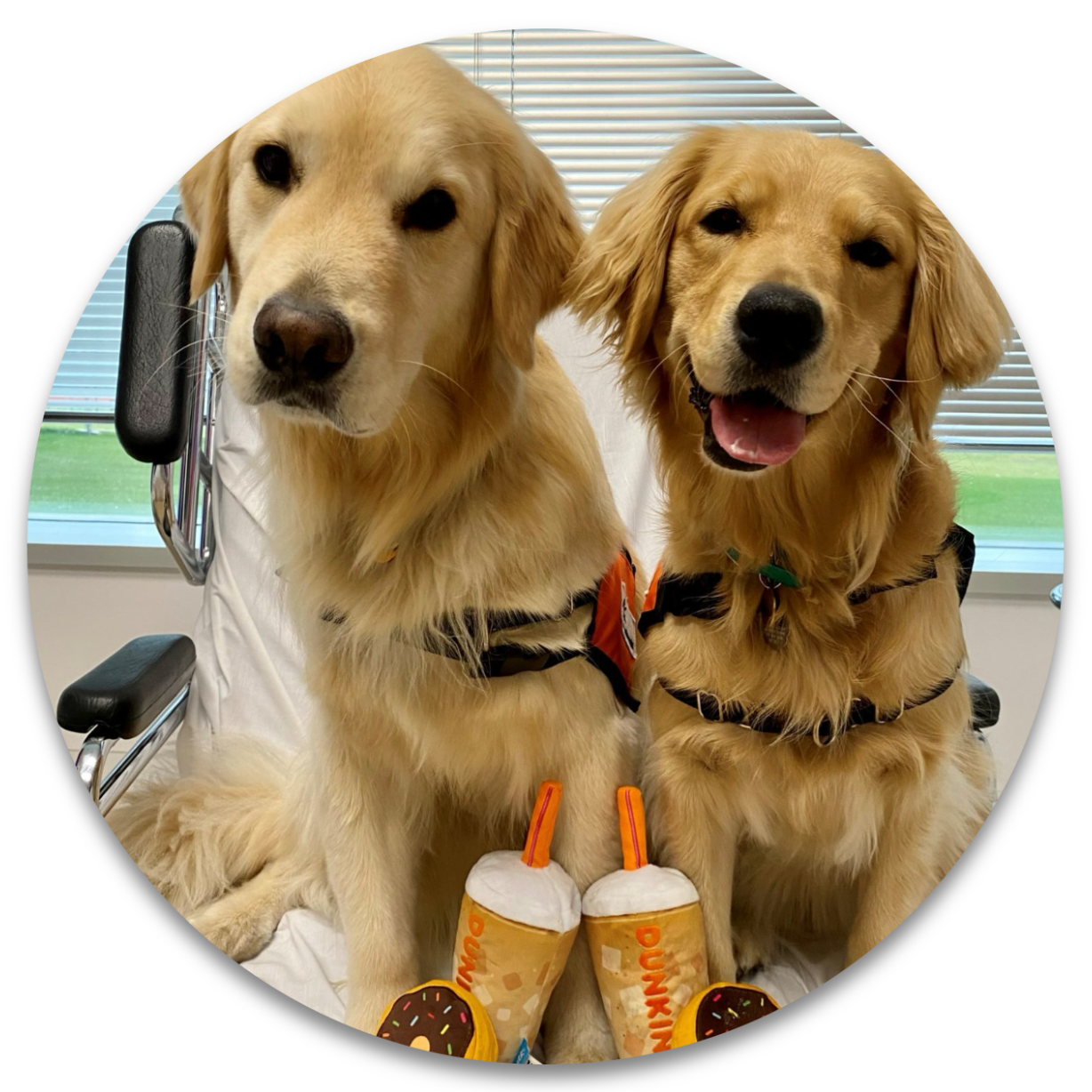
Dogs for Joy™
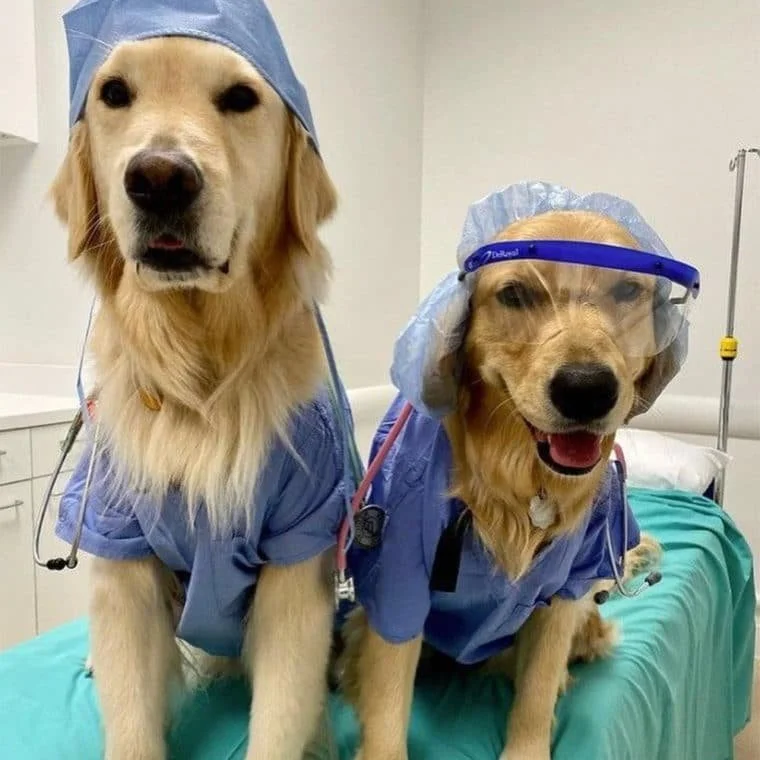
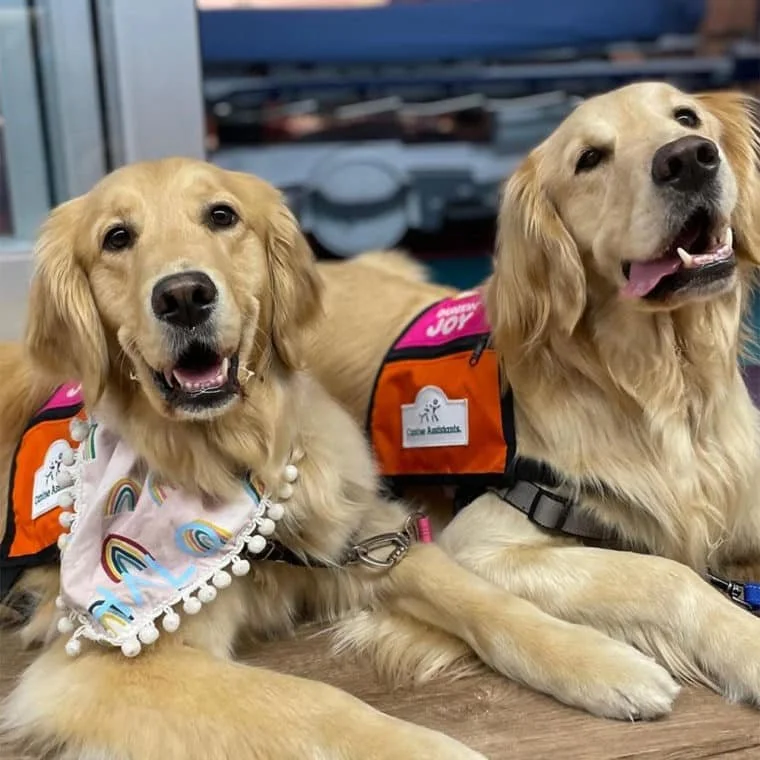
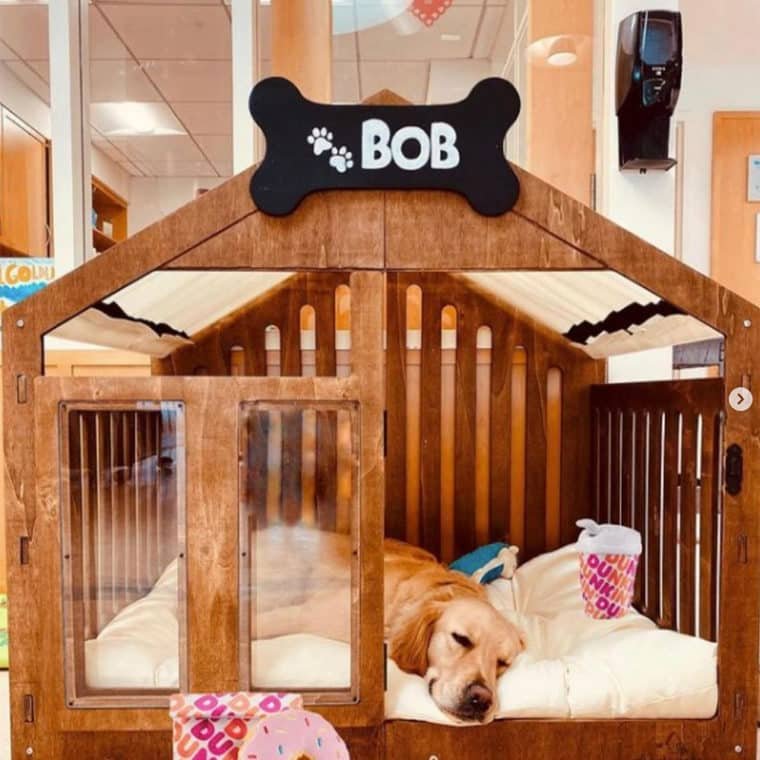
Dogs for Joy™ are special in-resident pups that work alongside their human handlers to bring joy to hospitalized kids. They are a critical part of a child's care team.
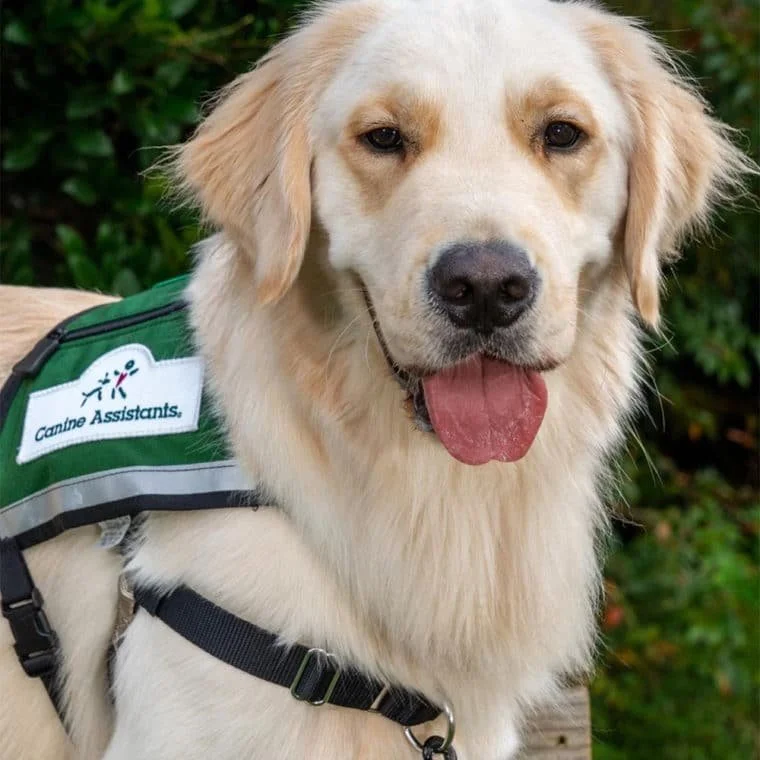
The Dogs for Joy™ program has funded over 50 in-resident dogs at hospitals across the country. A facility dog is professionally trained to work in a healthcare setting. Unlike volunteer dogs that visit a hospital or medical center for a short time, facility dogs are at the hospital every day with their handlers. In most cases they are used exclusively for clinical work.
The dogs can physically interact with patients to provide comfort and love. They're trained to help with tasks like teaching kids how to take medication, keeping them calm during medical interventions and providing incentives to get out of bed to walk. These dogs serve as a source of happiness and provide a sense of normalcy for patients.
Research shows that animal-assisted therapy can lower stress and anxiety levels, improve blood pressure, increase patient mobility, and provide an alternative focus from pain.
The grant application is currently closed for 2026. Please check back in 2027.

Dogs for Joy™ FAQ
-
The Joy in Childhood Foundation’s Dogs for Joy™ program is a grant program for hospitals aimed at increasing the number of dogs who work full-time in children’s hospitals to bring joy to kids battling illness.
-
The grants are structured for multi-year programming over three years. Grant amounts vary but typically range from $50,000-$60,000 for year one and $15,000-$25,000 for years 2 and 3 (for one dog). Grants do not exceed $150,000.
-
In-residence dogs are highly trained service dogs that work in healthcare settings and perform specialized tasks. In children’s hospitals, they are full-time employees of the hospital who come to work every day like their human counterparts and can be a critical part of a child’s treatment team. In-residence dog handlers are typically child life specialists, chaplains, social workers or physicians.
-
No. In-residence dogs are highly specialized service dogs trained to work in a variety of healthcare settings and perform specific tasks – from playing with and comforting a child to actual medical interventions. Unlike volunteer dogs that visit a hospital or medical center for a short time, in-residence dogs are at the hospital every day with their handlers and have access to non-sterile clinics and inpatient units. In most cases they are used exclusively for clinical work.
-
In-residence dogs not only bring immeasurable joy to pediatric patients, they also perform clinical interventions like keeping a kids calm during medical interventions, teach pediatric patients how to take a pill, model how to put on a hospital gown or provide an incentive for a child to get out of bed for a walk.
-
At the Joy in Childhood Foundation, we’re committed to continually finding new approaches and innovative ways to bring joy to kids battling hunger or illness. The Foundation continually evaluates all of its programs and conducts needs assessments to ensure our giving is as impactful as possible. We evaluated our Dogs for Joy program, talking to doctors, nurses, child life specialists and patients, and a few themes emerged – one of those was the incredible healing and joy-enhancing power of dogs in pediatric hospital settings. Despite their tremendous potential, in-residence dog programs are relatively new. Out of more than 220 children’s hospitals in the United States, few have in-residence dog programs. The Foundation’s goal is to fill this unmet need by dramatically increasing the number of in-residence dog programs in pediatric hospitals around the country and the prevalence of animal-assisted therapy as part of treatment.
-
To be eligible, applicants must be a children’s hospital or general hospital with a dedicated pediatric department and be within geographic proximity to Dunkin’ locations.
-
Yes, veterinary costs can be budgeted for in your grant application.
-
Funding will be awarded upon executed agreement. Depending on your organization’s request (new program or expansion) and the availability of facility dog(s) for placement, the program should be active in your hospital within 18 months of award.